Walnuts
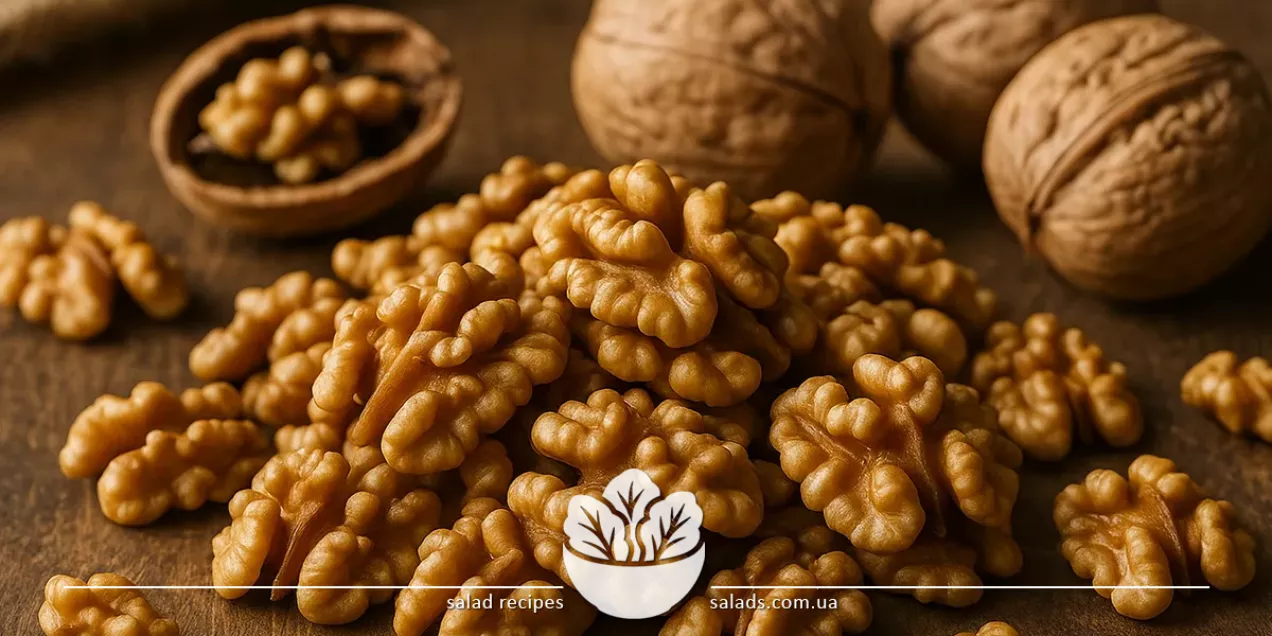
Walnuts are one of the most popular types of nuts in the world, known for their rich composition and health benefits. This product is used not only in cooking but also in folk medicine, cosmetology, and dietary nutrition. Among the nut category, walnuts hold an important place thanks to their versatility and nutritional value. Understanding the different types and ways to use them will help you make the most of this product in your daily life.
Different Types of Walnuts

Main Walnut Varieties and Their Features
Walnuts are available in several main varieties that differ in size, shell shape, flavor profile, and growing conditions. The most common variety is the classic walnut with a hard, dark shell and an oily kernel that has a rich aroma and pleasant nutty taste. There are also lighter-shelled types with a milder flavor, which are popular in cooking. Each type of walnut is adapted to specific climate conditions and has its own growing characteristics, which influence flavor and nutritional value. For example, walnuts grown in temperate climates often have a richer taste and denser texture, making them ideal for desserts and salads. Choosing the right variety is important for chefs and food producers. Different walnut varieties interact differently with other ingredients, so specific types are preferred in certain recipes. For instance, when paired with sweet peppers, walnuts add a pleasant crunch and rich flavor to the dish.
Nutritional Value and Health Benefits of Walnuts
Walnuts are rich in healthy fats, especially omega-3 polyunsaturated fatty acids, which support heart and brain health. They also provide plenty of protein, which is essential for tissue repair and immune support. Walnuts are a source of antioxidants that help combat free radicals, slow aging processes, and protect cells from damage. Additionally, walnuts contain essential vitamins and minerals such as vitamin E, magnesium, phosphorus, and iron. Consuming walnuts in moderate amounts helps improve metabolism, normalize cholesterol levels, and support bone health. They also aid in appetite control, making them beneficial for those on a diet. Adding walnuts to your diet can be especially helpful for individuals with cardiovascular conditions and for supporting cognitive function in older adults. To enrich the diet, walnuts are often combined with other healthy foods, such as cured meats, which add unique flavor and aroma to dishes.
Culinary Uses of Walnuts
Walnuts are widely used in cooking both in their whole and ground forms. They add a nutty note and crunch to salads, desserts, baked goods, and sauces. Walnuts are especially popular in traditional dishes of many world cuisines, where they serve as a main ingredient or flavor enhancer. One of the classic ways to use walnuts is in vegetable salads, for example with eggplants, where they contribute special texture and aroma to the dish. Walnuts are also often added to baked goods – cakes, pies, and cookies – making them more filling and flavorful. In cooking, walnuts can be used to prepare pastes, pâtés, and even sauces that pair well with meat and vegetable dishes. When combined with other ingredients, such as eggplants, they offer broad opportunities for creating new culinary combinations.
How to Store Walnuts to Preserve Flavor and Nutrition
Proper walnut storage is essential for maintaining their freshness, aroma, and nutritional value. Walnuts should be kept in a dry, cool, and dark place to prevent fat rancidity and mold development. The optimal storage temperature is between 0 and +10 degrees Celsius, avoiding direct sunlight and humidity. For long-term storage, it is recommended to keep walnuts in airtight containers or glass jars with tight lids. Shelled kernels should be stored in the refrigerator or freezer, where they can keep for several months without losing flavor. Improper storage leads to a loss of beneficial properties and deteriorated taste. Rancid walnut oil has an unpleasant smell and bitter taste, so the product should be discarded at the first signs of spoilage. Following proper storage conditions will allow you to enjoy the benefits and flavor of walnuts all year round.
Health Benefits and Consumption Recommendations for Walnuts
Walnuts are a rich source of healthy fats, especially omega-3 fatty acids, which support cardiovascular health and enhance brain function. They also contain proteins, B vitamins, magnesium, iron, and antioxidants that help protect the body from free radicals and support immunity. Regular consumption of walnuts helps normalize cholesterol levels, improves metabolism, and supports skin and hair health. However, due to their high calorie content, it is recommended to consume them in moderation and avoid overeating.
Walnuts pair well with various foods, such as cucumbers, which add freshness and balance flavor profiles. They are used in salads, desserts, sauces, and even baked goods, making this ingredient both versatile and popular across many cuisines. A balanced diet that includes walnuts helps maintain energy, improve overall health, and strengthen the body. It is important to maintain moderation and variety in your diet to get the most from the valuable properties of this product.