Unrefined Sesame Oil
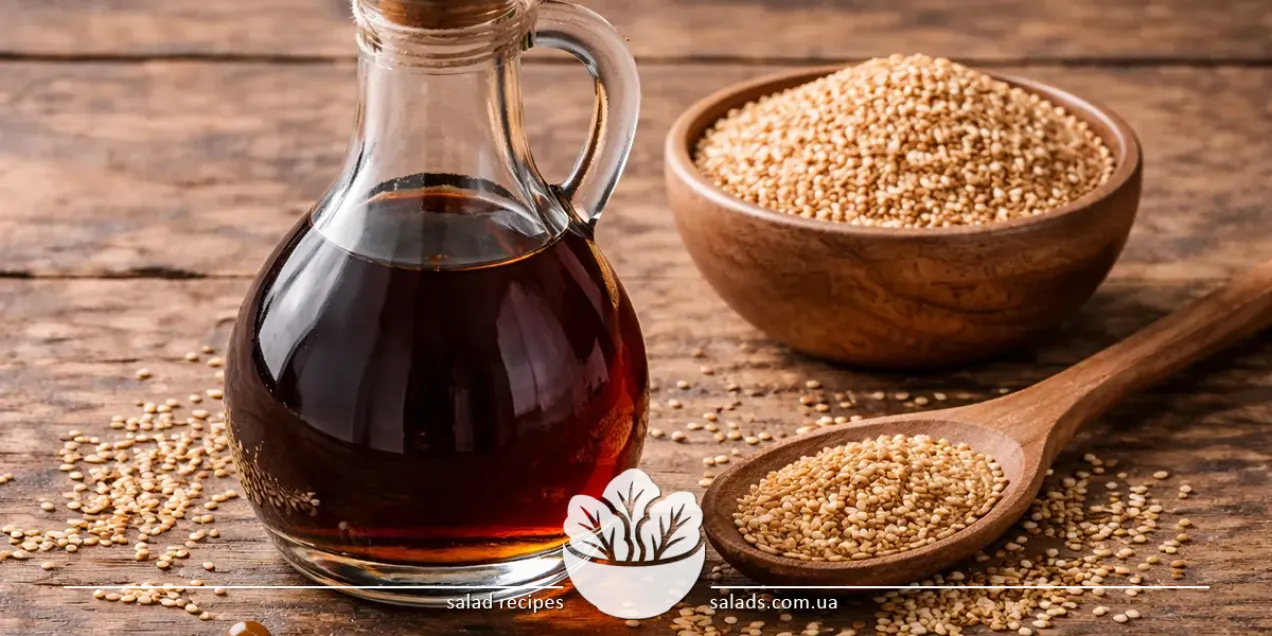
Unrefined sesame oil is an aromatic vegetable oil obtained from sesame seeds without deep purification, which allows it to retain its natural flavor, dark color, and pronounced nutty aroma. In cooking it is used as an aromatic component that adds a richer taste to dishes. Most often this oil is added to salads, sauces, marinades, and dishes made with noodles or rice where it is important to preserve its aroma. It combines well with vegetables, spices, and various sauces. In the section of vegetable oils, unrefined sesame oil occupies a special place thanks to its culinary properties and characteristic aroma.
Recipes with Sesame Oil
Aroma and Culinary Properties of Unrefined Sesame Oil
Unrefined sesame oil differs from refined vegetable oils by its rich aroma and characteristic nutty flavor. It is produced by pressing sesame seeds without deep purification, so natural aromatic compounds remain in the oil. These compounds create the recognizable fragrance that makes this product noticeable even when used in small quantities. In cooking, such oil is rarely used as the main fat for long frying. Instead, it is added to finished dishes or used in cold dressings. This allows the aroma to remain as full as possible, while the dish acquires a more complex and richer flavor profile. A small amount of oil can emphasize the taste of vegetables, herbs, or grains without changing their natural texture.
Unrefined sesame oil works particularly well when combined with acidic ingredients. For example, in salad dressings it is often mixed with citrus components. A few drops of aromatic oil combined with the juice or zest of lemon create a bright and refreshing composition suitable for vegetable salads or light side dishes. Another important feature of this product is its ability to combine different ingredients into a single flavor structure. When sesame oil is added to a mixture of vegetables, herbs, or grains, it evenly coats them with a thin aromatic layer. This helps distribute spices and sauces throughout the dish and makes the flavor more harmonious and balanced.
Combining Unrefined Sesame Oil with Vegetables and Salads
Unrefined sesame oil reveals its qualities particularly well in cold dishes. Salads made with vegetables, herbs, or fruits often require an aromatic component that can highlight the natural taste of the ingredients and make the composition more expressive. Here sesame oil becomes one of the most interesting options for dressing, since its rich nutty aroma adds depth to the dish. In simple vegetable salads it pairs well with carrots, cabbage, cucumbers, or leafy greens. A small amount of this oil can replace complex sauces by creating a light aromatic base for the dressing. At the same time it is important to maintain balance: only a few drops are enough to emphasize the taste of vegetables without overpowering their natural aroma.
Interesting combinations also appear when sesame oil is added to salads with cheese. For example, dishes with vegetables or herbs can gain a more intense flavor if a little hard cheese is added. Combined with aromatic oil, it creates a pronounced flavor contrast that makes the salad more satisfying and deeper in taste. Sesame oil also helps create a more harmonious texture in salads. It forms a thin oily layer that evenly coats the ingredients and helps distribute spices or acidic components. As a result, the salad acquires a more balanced flavor, while each ingredient retains its individuality and remains part of a unified culinary composition.
Using Unrefined Sesame Oil in Hot Dishes
Unrefined sesame oil can significantly change the aroma of hot dishes when used correctly. Unlike neutral vegetable oils, it has a very pronounced smell, so it is rarely used as the main fat for prolonged frying. Most often it is added at the end of cooking or immediately before serving to preserve its characteristic nutty aroma. This method works especially well for vegetable dishes or grain-based side dishes. When a finished dish is lightly seasoned with sesame oil, the aroma gradually opens and envelops all the ingredients. This enhances the natural taste of the products without making the dish excessively oily.
Unrefined sesame oil also works well in dishes made with grains or rice. After cooking, the hot side dish can be lightly drizzled with aromatic oil, which quickly spreads across the surface of the grains. In combination with dishes made with white rice, it creates a light nutty aroma that makes the dish richer and more expressive. Another interesting feature of this oil is its ability to combine different ingredients in complex hot dishes. When it is added to vegetables, grains, or meat, the aroma spreads evenly throughout the dish. Because of this, even a simple combination of ingredients can gain a new character, and the finished dish becomes more harmonious and balanced in flavor.
Unrefined Sesame Oil in Sauces and Aromatic Dressings
Unrefined sesame oil is often used as a base for aromatic dressings and sauces. Its rich nutty aroma makes it possible to create complex flavor combinations even from a small number of ingredients. In many recipes it is used not as the main fat but as an aromatic component that completes the flavor of the dish and gives it expressiveness. In cold sauces, sesame oil is often combined with acidic or fresh ingredients. This helps balance its rich aroma and makes the dressing lighter. For example, it works well when mixed with fruit juices or vinegar, creating a harmonious contrast between nutty and fresh notes. In some recipes, a small amount of apple is added to such sauces, giving the dressing a light sweet freshness.
Sesame oil also helps evenly distribute spices and other aromatic ingredients. When it is mixed with chopped vegetables, herbs, or spices, it coats them with a thin layer and helps the aromas combine. Such a sauce can be used for salads, vegetable side dishes, or grain-based meals. Another advantage of these dressings is their versatility. They are suitable both for cold salads and warm dishes that require a light aromatic accent. Even a small amount of sesame oil dressing can highlight the taste of ingredients and give the finished dish a deeper and more balanced aroma.
Combining Unrefined Sesame Oil with Fruits and Light Dishes
Unrefined sesame oil is sometimes used in light dishes where it is important to create an interesting contrast of flavors. Its nutty aroma can surprisingly pair well with fruit ingredients, especially in fresh salads or cold appetizers. In such recipes it should be used very carefully, since even a few drops can change the overall character of the dish. Fruit salads or appetizers are sometimes complemented with a small amount of aromatic oil to make the flavor deeper. For example, the combination of fresh fruit and nutty notes can create an interesting gastronomic composition. In some recipes, such oil is added to salads with herbs and pieces of apple, creating a gentle balance between the freshness of fruit and the rich aroma of sesame.
Sesame oil also works well in light appetizers that use fresh vegetables or leafy greens. It helps bring different ingredients together, creating a delicate aromatic base for the entire dish. When combined with acidic or fruit components, its nutty notes open more softly and do not dominate other flavors. Such combinations are particularly interesting in modern cooking, where different textures and aromas are often combined. Unrefined sesame oil can become a subtle accent in dishes with fruits, vegetables, or herbs, adding a more complex and rich taste without the need for many spices or complicated sauces.