Rice Vinegar
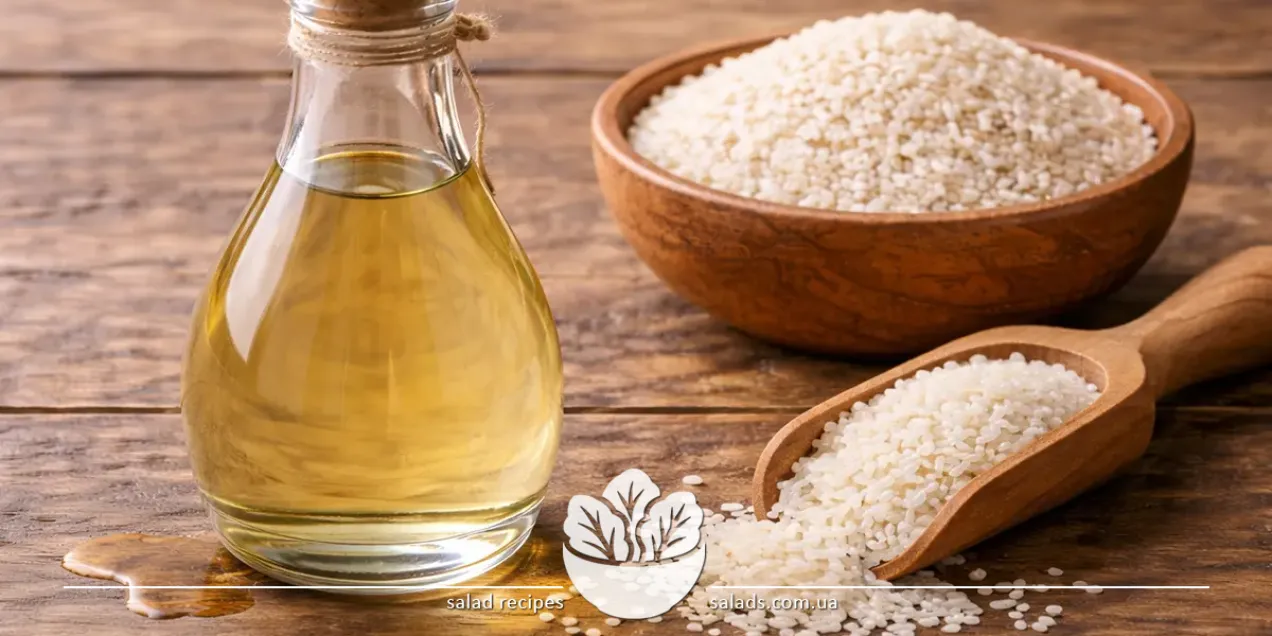
Rice vinegar is a mild vinegar with delicate acidity obtained through the fermentation of rice. Its flavor is significantly softer compared with many other types of vinegar, which makes it well suited for dishes where preserving the natural aroma of ingredients is important. In cooking, rice vinegar is used for preparing salad dressings, marinades, sauces and cold appetizers. Thanks to its light acidity, it helps highlight the taste of vegetables, herbs and grain products. This ingredient is often used in recipes where a harmonious balance between different flavor components is needed. Rice vinegar adds freshness to dishes, makes the flavor softer and more balanced, and also pairs well with vegetable oils, spices and aromatic herbs.
Recipes with rice vinegar
Rice vinegar in light vegetable salads
Rice vinegar is often used in light vegetable salads where it is important to highlight the natural freshness of the ingredients. Its delicate acidity makes the flavor more expressive while not overpowering the aroma of vegetables. Because of this, rice vinegar works well in salads where texture and the natural flavor of products play the main role. It pairs especially well with crisp vegetables. In simple salads with fresh cucumber, rice vinegar adds a light acidity that enhances the sense of freshness. This combination allows simple yet very well balanced dishes to be created.
In salad dressings, rice vinegar is usually combined with vegetable oil, spices and aromatic herbs. This creates a light dressing that works well with many vegetable dishes. The balance between the acidity of vinegar and the softness of other ingredients creates a harmonious flavor. In home cooking, rice vinegar is also used for quick vegetable salads. Thinly sliced vegetables are mixed with a vinegar-based dressing, after which they quickly develop a brighter taste. This is a simple way to diversify everyday meals.
Vegetable marinades with rice vinegar
Rice vinegar is well suited for marinating vegetables because its flavor is mild and delicate. It does not create a sharp acidity, which helps preserve the natural aroma of the products. For this reason, marinades based on rice vinegar are often used to prepare light vegetable appetizers and salads. When marinating vegetables, rice vinegar helps highlight their natural sweetness. For example, in recipes with carrots, it creates a pleasant balance between sweet and sour notes. As a result, vegetables become more aromatic and develop a more pronounced flavor.
A marinade made with rice vinegar can be very simple. Often it is enough to mix the vinegar with water, spices and a small amount of salt. This mixture works well for quick vegetable marinades, where vegetables acquire a pleasant acidity in a short time. Sometimes aromatic herbs or vegetable oil are added to the marinade. This makes the flavor richer and more varied. Thanks to its versatility, rice vinegar allows both simple and more complex marinades to be created for different dishes.
Rice vinegar in sauces and cold appetizers
Rice vinegar is often used in sauces where it is important to maintain a mild and balanced flavor. Its delicate acidity helps highlight the aroma of other ingredients without making the sauce too sharp. For this reason, this type of vinegar is well suited for light cold sauces served with vegetable dishes, appetizers or salads. In many recipes, rice vinegar is combined with aromatic ingredients, creating interesting flavor combinations. For example, in sauces with garlic, it helps soften the sharpness while also emphasizing the aroma of spicy components. This combination is often used in cold appetizers and light dressings.
To prepare sauces, rice vinegar is usually mixed with oil, spices or herbs. As a result, a light dressing is formed that pairs well with vegetables and other ingredients. Such sauces are often used in salads or cold dishes. Thanks to its versatility, rice vinegar allows different variations of sauces to be created – from very light to more intense. In any case, it helps make the flavor of dishes more harmonious and expressive.
Combining rice vinegar with oils and spices
Rice vinegar is often combined with different vegetable oils to create light and balanced dressings for salads and cold dishes. Its mild acidity contrasts well with the delicate texture of oil and helps emphasize the aroma of other ingredients. Because of this, even a simple mixture of several components can become a versatile dressing for many dishes. One of the popular combinations is rice vinegar with extra virgin olive oil. This combination creates a harmonious balance between soft acidity and the delicate aroma of oil. This dressing is often used for vegetable salads or light appetizers.
In cooking, rice vinegar also pairs well with different spices and aromatic herbs. Adding pepper, herbs or other seasonings helps make the flavor more expressive. As a result, a dressing is formed that works well for many recipes. Such mixtures are used not only for salads but also for marinating vegetables or preparing cold sauces. Rice vinegar helps unite all components of a dish, creating a light and harmonious flavor accent.
Flavor characteristics and culinary uses of rice vinegar
Rice vinegar is known for its mild and delicate flavor, which makes it one of the most versatile types of vinegar in cooking. Its acidity is much softer than that of many other types of vinegar, which makes it suitable for dishes where preserving the natural aroma of ingredients is important. Because of this, rice vinegar is often used in light dressings, salads and cold sauces. In recipes, rice vinegar is usually added in small amounts to highlight the flavor of other ingredients. Its mild acidity helps balance sweet or neutral ingredients, making the flavor of dishes more harmonious. In dressings and marinades, it acts as a flavor accent that brings all components together.
Another important advantage of rice vinegar is its versatility. It pairs well with vegetables, herbs, different oils and spices. Because of this, it can be used in a large number of recipes, creating diverse culinary combinations. Thanks to its mild flavor, rice vinegar helps make dishes lighter and fresher. It highlights the natural aroma of ingredients and allows a balanced flavor to be created that works well in many modern recipes.