Red Onion
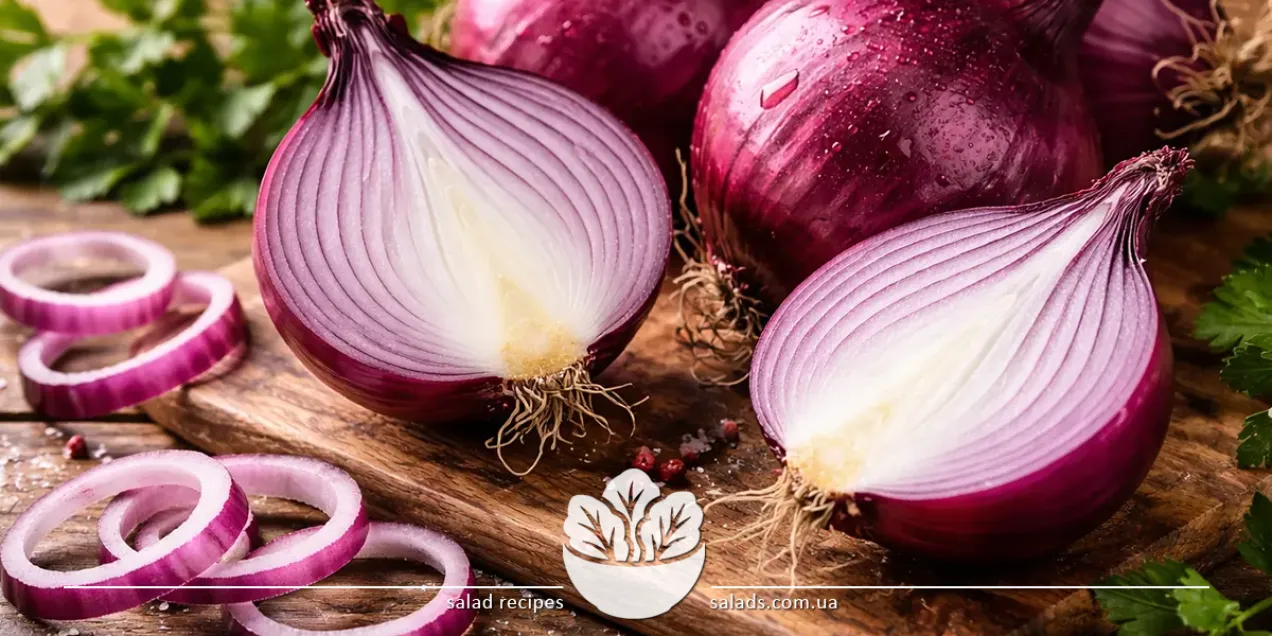
Red onion is a popular vegetable with a milder and slightly sweeter flavor compared to traditional varieties. It belongs to the group of onions and is widely used in cooking for salads, marinades, and hot dishes. Thanks to its purple color and juicy texture, this ingredient not only adds a distinctive flavor but also makes dishes more visually appealing. Red onion is often used raw because its aroma is softer and less pungent. It pairs well with vegetables, cheese, meat, and seafood, creating a balanced flavor contrast. In many recipes, red onion serves not only as an aromatic base but also as an important element of texture and color.
Recipes with Red Onion
Red Onion in Fresh Salads and Appetizers
Red onion is most often used fresh because its flavor is milder and slightly sweeter than that of other varieties. Thinly sliced rings are added to salads, vegetable appetizers, and cold dishes, where they provide a light sharpness and characteristic texture. This vegetable pairs especially well with juicy ingredients, for example with tomatoes, creating a bright and refreshing combination often used in everyday cooking. In salads, red onion can serve as an aromatic accent or as one of the main ingredients. It combines well with herbs, leafy greens, and fermented dairy products. Thanks to its delicate structure, it can be sliced very thinly, which makes the flavor more subtle and prevents it from overpowering other ingredients.
To make the aroma even milder, the onion is sometimes briefly marinated in a small amount of acid or simply rubbed lightly with salt. This technique removes excessive sharpness and highlights its natural sweetness. After this treatment, the onion becomes even juicier and more pleasant in flavor. In cold appetizers, red onion plays not only a flavor role but also a decorative one. Its rich purple color creates a vivid contrast with green vegetables or white sauces, making the dish look more appealing. For this reason, this ingredient is often used in salads where appearance is just as important as taste.
Red Onion in Hot Dishes
Red onion works well not only raw but also after heat treatment. During frying, its flavor becomes milder and sweeter, while the aroma becomes deeper. For this reason, this ingredient is often used in dishes with meat or vegetables, where onion forms an aromatic base. For example, in combination with chicken fillet, it helps create a balanced flavor by adding light sweetness and richness. In stewed dishes, red onion is added at the beginning of cooking so it can gradually soften and release its aroma into the sauce or broth. Due to its natural sugar content, it caramelizes during heating, creating pleasant sweet notes. This makes the dish richer in flavor without the need for additional ingredients.
In roasted vegetable mixes, red onion helps bring all the components together. It adds juiciness and a pleasant aroma that pairs well with herbs and spices. Even in simple dishes with only a few ingredients, this vegetable can become an important element of flavor harmony. Red onion is also often added to grilled dishes. In this case, it quickly browns, gaining light sweetness and a pleasant texture. This makes it a versatile ingredient for many hot recipes.
Pickled Red Onion and Sauces
Pickling is one of the most popular ways to use red onion. Thanks to its natural juiciness, it quickly absorbs the flavor of the marinade and becomes milder in taste. Thinly sliced rings can be covered with a mixture of vinegar, water, and spices, and after a short time they develop a pleasant sweet and sour note. Such onion works perfectly in salads, sandwiches, or cold appetizers. In many recipes, pickled red onion is added to dishes with cheese. For example, when combined with feta cheese, it creates a contrast between the salty taste of the cheese and the light acidity of the marinade. This makes the dish more balanced and expressive.
Pickled onion is also often used as a complement to hot dishes. It is added to meat, roasted vegetables, or grains, where it acts as a fresh and aromatic accent. Even a small amount of this onion can completely change the character of a dish, giving it a more pronounced flavor. In addition to pickling, red onion is also used in sauces and pastes. Chopped together with herbs and spices, it creates an aromatic base for various dressings. Thanks to its juicy texture, this vegetable blends well with other ingredients, forming a harmonious flavor profile.
Combining Red Onion with Vegetables and Mushrooms
Red onion pairs well with many vegetables, creating a balanced flavor profile in both simple and complex dishes. Its mild sharpness highlights the natural sweetness of vegetables and makes the overall taste more expressive. In salads and warm appetizers, it complements juicy ingredients by adding freshness and gentle spiciness. A particularly interesting combination is red onion with mushrooms. For example, together with champignons, it forms an aromatic base for fried or stewed dishes. During cooking, the onion softens and adds a light sweetness to the mushrooms, making the overall flavor deeper and richer.
In warm vegetable mixes, red onion helps unify different components. It adds juiciness and a slight caramel note if lightly sautéed. This cooking method is often used in vegetable stews or side dishes. Another popular combination is red onion with aromatic herbs and oil. In this case, the vegetable acts not only as a flavor component but also as an important textural element. Its crispness when raw or softness after frying helps make the dish more interesting and balanced.
Flavor Characteristics and Proper Use of Red Onion
Red onion is valued for its milder and slightly sweeter flavor that distinguishes it from other varieties of this vegetable. For this reason, it is often used in dishes where onion should remain noticeable but not too sharp. When raw, it has a juicy texture and a pleasant aroma that pairs well with vegetables, herbs, and light sauces. To make the flavor even more delicate, the onion can be sliced into very thin rings or half rings. This type of cut allows the aroma to distribute evenly throughout the dish. Sometimes it is lightly drizzled with oil, for example extra virgin olive oil, which highlights its natural sweetness and makes the texture more tender.
In hot dishes, red onion behaves differently than when raw. During heating it caramelizes and becomes noticeably sweeter, giving the dish a deeper flavor. This effect is especially noticeable in stewed or roasted recipes. Proper use of red onion lies in balancing freshness and aroma. In cold dishes it adds crunch and light sharpness, while in hot dishes it brings richness and sweet notes. Thanks to this versatility, red onion remains one of the most popular ingredients in everyday cooking.