Hot Pepper
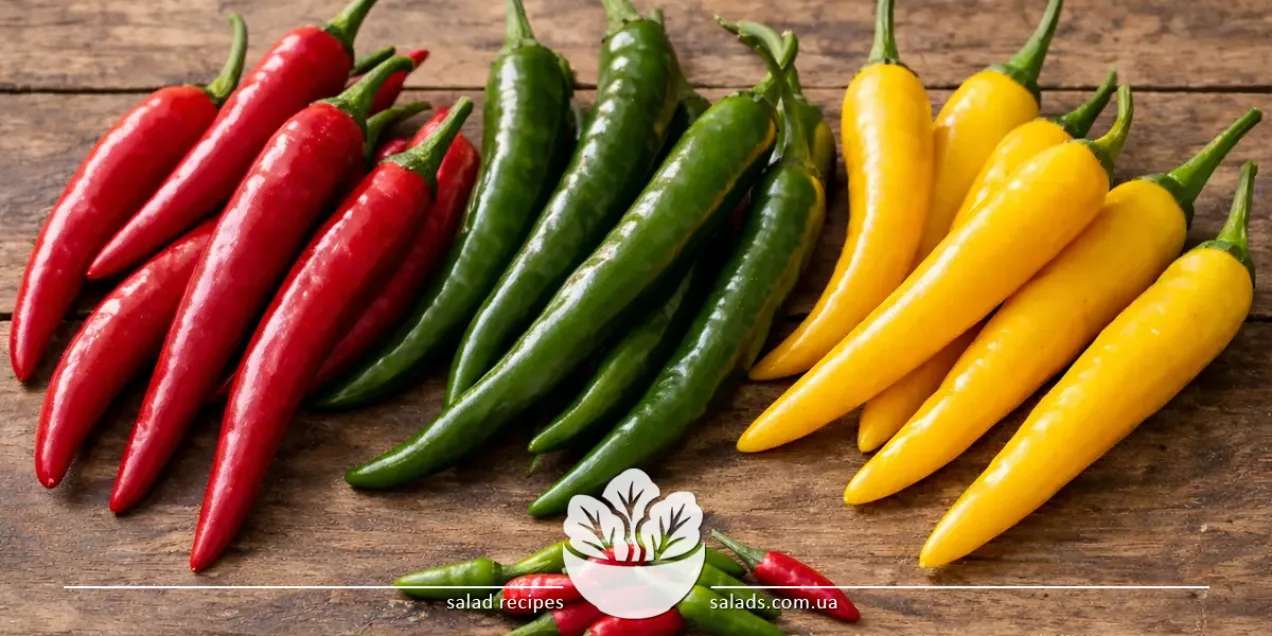
Hot pepper is one of the most popular ingredients for creating a piquant taste in cooking. It is often referred to as chili, spicy pepper, or chili pod, highlighting its distinctive heat and vivid aroma. Fresh fruits belong to the pepper family and differ in shape, color, and level of heat. From gentle warmth to intense spiciness – this ingredient allows precise control over flavor intensity in dishes. It is added to soups, sauces, marinades, vegetable and meat dishes, used fresh as well as dried or ground. Hot pepper not only gives recipes character but also stimulates the taste buds, making the overall impression of a dish more expressive and full-bodied.
Recipes with hot pepper
Hot pepper in sauces and seasonings
Hot pepper reveals itself best in sauces, where its heat can be carefully controlled. Fresh chili is finely chopped and added to tomato bases, combined with herbs and spices. If a deeper flavor is desired, garlic is added to the mixture to enhance aroma and create a rich background for the heat. The result is a balanced sauce in which the spiciness does not dominate but gradually unfolds after the first bite. In dry seasonings, ground spicy pepper is often blended with herbs and spices. It can act as a standalone component or as part of a complex mix. It is important to consider the variety and maturity of the pod, as these factors determine the level of heat. Some types of chili have a light fruity aroma, others display smoky or slightly sweet notes.
In oil-based sauces, hot pepper creates a distinct flavor accent. It is added in chopped form to heated oil to activate aromatic compounds. This base is used to dress pasta, vegetable dishes, or legume-based meals. The heat spreads evenly, and the aroma becomes more intense. Chili is also used in fermented sauces, where spiciness combines with natural acidity. This allows the creation of a complex flavor profile without a large number of additional ingredients. It is precisely the versatility and range of flavor nuances that make hot pepper an indispensable component in preparing piquant sauces and seasonings.
Marinades and hot dishes with chili
In hot dishes, chili develops in a special way, as heat intensifies its aroma and deepens its character. Fresh or chopped spicy pepper is added to marinades for meat, poultry, or fish to give dishes a bold profile. Combined with extra virgin olive oil and herbs, it creates a base that evenly coats the product and helps flavors penetrate inside. Hot pepper is frequently used in stews, braised vegetables, and soups. It is added at the beginning of cooking so that the heat becomes milder and distributes evenly throughout the dish. If a sharper accent is required, thinly sliced pods are added at the end to preserve their fresh aroma. This approach makes it possible to regulate the intensity of spiciness without overwhelming the taste.
In grilled dishes, chili is used both as a paste and in whole pieces. During roasting, it adds a subtle smoky note that highlights the natural flavor of the product. The heat combined with a caramelized crust creates a vivid contrast, making the dish more expressive. In braised dishes with legumes or grains, hot pepper helps prevent monotony in flavor. Its warmth stimulates the receptors, making even simple ingredients more interesting. For this reason, chili is widely used in various culinary traditions where heat is an essential element of overall dish harmony.
Dried and ground spicy pepper in spices
Dried or ground spicy pepper is a concentrated form of heat that allows precise control over flavor intensity. In this form, chili is convenient for use in dry spice blends, where it is combined with aromatic herbs and other seasonings. To create a deeper profile, it is often paired with ground black pepper, adding warmth and gentle spice without a sharp peak of heat. Ground hot pepper is added to soups, stews, and sauces in small portions, carefully monitoring the amount. Its effect is gradual: first the aroma is perceived, and then the characteristic warmth appears. This method of use allows the creation of a layered flavor effect in which heat does not overpower other components.
In dry marinades for baking or grilling, ground chili spreads evenly over the surface of the product. During heat treatment, the aroma activates, and the crust acquires a pronounced spicy character. This is especially suitable for vegetable or meat dishes where a clear flavor accent is needed without additional sauces. Dried pepper is also used in homemade blends for snacks, nuts, or roasted vegetables. It can easily be combined with paprika, cumin, or dried garlic to create custom spice variations. Thanks to its compact form and long shelf life, ground spicy pepper is a practical ingredient that is always within reach.
Hot pepper in combination with other ingredients
Hot pepper is rarely used on its own – it reveals its best qualities when combined with other components that soften or enhance its heat. For example, in vegetable dishes, chili adds depth to slightly sweet notes. Combined with sweet pepper, it creates a contrast between mild sweetness and vibrant heat, making the dish more expressive without excessive sharpness. In sauces and marinades, spicy pepper is often paired with salt and acidic elements to balance the intensity of warmth. A pinch of salt helps emphasize aroma and round out the heat. This technique is widely used in vegetable and meat dishes where it is important to achieve balance between richness and lightness.
When combined with oils, chili creates a bright aromatic accent. Gentle heating in a fat base activates essential compounds, and the flavor becomes more intense. This technique allows the heat to distribute evenly without creating abrupt contrasts in perception. Spicy pepper also pairs well with sweet components, forming the popular “sweet-heat” contrast. This can be appropriate in sauces, glazes, or even desserts, where a small amount of heat highlights sweetness and makes the flavor composition more complex. Thanks to its ability to harmoniously combine with various products, hot pepper remains a universal ingredient in modern cuisine.
How to control heat and use pepper safely
Hot pepper offers great flexibility in adjusting flavor, but it requires careful dosing. The most common mistake is adding too much at the beginning of cooking and ending up with a dish that is difficult to balance. It is better to introduce chili in small portions, evaluating the intensity after heating or resting, as heat develops gradually. It is also important to consider the form of the ingredient: a fresh pod often provides a cleaner heat with a vivid aroma, while dried or ground forms deliver a more concentrated and evenly distributed effect. The perception of heat is influenced by the seeds and internal membranes, where much of the capsaicin is concentrated. If a milder result is desired, these parts can be removed, leaving the flesh for aroma.
For delicate dishes, it is more convenient to use thinly sliced pepper or a small amount of paste, while for thick stews and soups it is better to add chili at an early stage so that the heat “dissolves” into the overall flavor. If a dish turns out too spicy, it is not advisable to try to overpower it with even more spices. Instead, work with balance: add a fatty component, a bit of sweetness or acidity, or increase the overall volume of the dish with neutral ingredients. Gradual adjustment provides a stable result and preserves the aroma for which hot pepper is added. This approach makes the use of chili predictable and dishes harmonious and enjoyable even for those who do not favor excessive heat.